


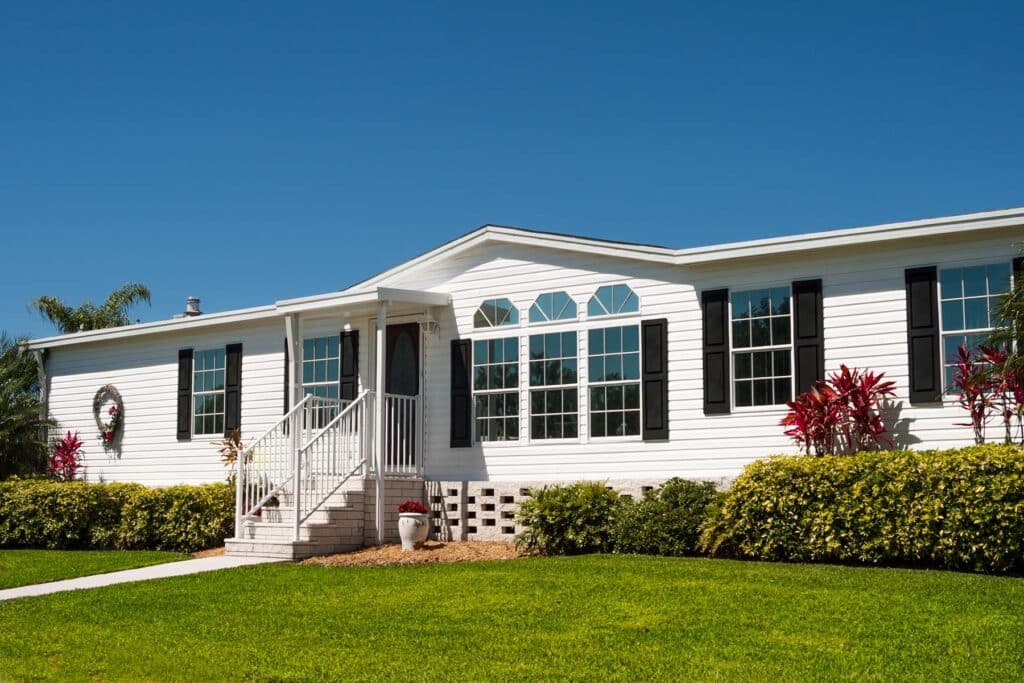
Thinking about buying a mobile home or RTM (Ready-to-Move) home?
You’re not alone. With rising home prices, more Canadians are exploring these options as a more affordable and flexible path to homeownership.
But here’s where many people get caught off guard: financing these properties is NOT the same as buying a traditional home.
If you assume it works the same way, it can cost you time, money, and missed opportunities.
The Biggest Misconception
One of the most common situations I see is a client getting pre-approved and assuming they can use that approval for any type of home.
The reality is that standard pre-approval is for a traditional, single-family home — not mobile or modular housing.
These property types fall into completely different lending categories, with different rules, risks, and requirements.
What Is a Mobile Home (And Why Financing Is Harder)
A mobile home is a factory-built home constructed on a steel chassis and transported to a site. They’re typically placed on blocks, piles, or a basic foundation.
From a lender’s perspective, mobile homes can be higher risk because they are often considered depreciating assets, subject to age restrictions, and located on leased land. Because of this, many lenders simply won’t finance them.
Key Features:
- Built in a factory, not on site
- Constructed on a steel frame (chassis)
- Typically placed on blocks, piles, or sometimes a foundation
When Mobile Home Financing May Be Possible
There are limited situations where financing can work. Typically, lenders are looking for:
- Mobile homes that are 15 years old or newer
- A valid CSA certification sticker
- Placed on a proper foundation (slab, concrete foundation, or piles)
- Located on owned land (not leased)
In most cases, they must also be CMHC insured, and amortizations on used units are often capped at 20 years.
Brand new mobile homes (on owned land, on a foundation) are slightly easier to finance.
RTM & Modular Homes: A Completely Different Approach
RTM (Ready-to-Move) homes are also factory-built, but once installed on a permanent basis, they are considered real estate. This means they can qualify for more traditional mortgage financing.
Key Features:
- Built in a controlled factory environment, not on site
- Delivered to your property in one or more sections
- Installed on a permanent foundation (basement or crawl space)
- Set directly onto foundation and hooked up to utilities upon arrival
- Once installed, it is not intended to be moved again
How RTM / Modular Financing Actually Works
Step 1: You need to purchase land first, which typically requires a 35–45% down payment. This amount is later rolled into your final mortgage.
Step 2: You fund the build upfront. Lenders do not fund off-site construction, so you are responsible for builder deposits, foundation costs, utility hookups, and site preparation.
The reason: the lender doesn’t have anything to secure on as collateral until the home is delivered to your land.
Step 3: Mortgage funds are only released once the home is delivered, installed, and connected to utilities.
Step 4: At completion, the lender inspects the property to ensure the home has been delivered and strapped to the foundation. At that time the lender advances funds, reimbursing you for upfront costs minus your down payment.
How Much Cash Do You Really Need?
While final mortgage rules may allow as little as 5% down, you still need significant upfront cash.
A realistic expectation is $100,000–$150,000 to cover land, deposits, construction costs, and carrying expenses.
Common Mistakes to Avoid
- Treating it like a regular mortgage
- Underestimating cash flow requirements
- Buying land before getting advice
- Not planning for timeline gaps
These are the most common mistakes that can derail these projects.
Is an RTM Home Right for You?
These homes can be a great fit if:
- You have strong savings
- You want rural or custom living
- You’re comfortable managing a project
They are not ideal if you need low upfront cash or want a simple, quick purchase.
If you already own land, there may be opportunities to use the equity in the land as the down payment needed.
Each situation is vastly unique — and requires calculations to be run to determine options, cash flow requirements, and next steps.
Why This Matters
These properties can be an excellent path to homeownership, but success comes down to preparation. Understanding the process early is what prevents costly mistakes later.
What To Do Next
If you’re considering a mobile or RTM home, take the time to understand your financing options before buying land or signing contracts.
Ask questions early. Map out your cash flow. Build a plan so you can move forward with confidence.